Wall-mounted storage systems have become essential for modern homes where floor space is at a premium and organization demands are high. Whether you're working with a small apartment, a cramped garage, or simply want to maximize every inch of usable space, wall-mounted solutions offer practical alternatives to traditional furniture-based storage. These systems range from simple floating shelves to comprehensive modular frameworks, each designed to free up floor space while keeping frequently used items within arm's reach.
The appeal of wall-mounted storage extends beyond aesthetics. By utilizing vertical wall space, you create psychological breathing room in tight quarters, improve accessibility for daily items, and create a cleaner, more intentional living environment. This comprehensive review explores the best wall-mounted storage systems available today, examining different types, their practical applications, and what makes each solution worth considering for your specific needs.
Understanding Wall-Mounted Storage System Types
Wall-mounted storage systems fall into several distinct categories, each serving different organizational goals and installation requirements. Understanding these types helps you choose a system that aligns with your space and needs.
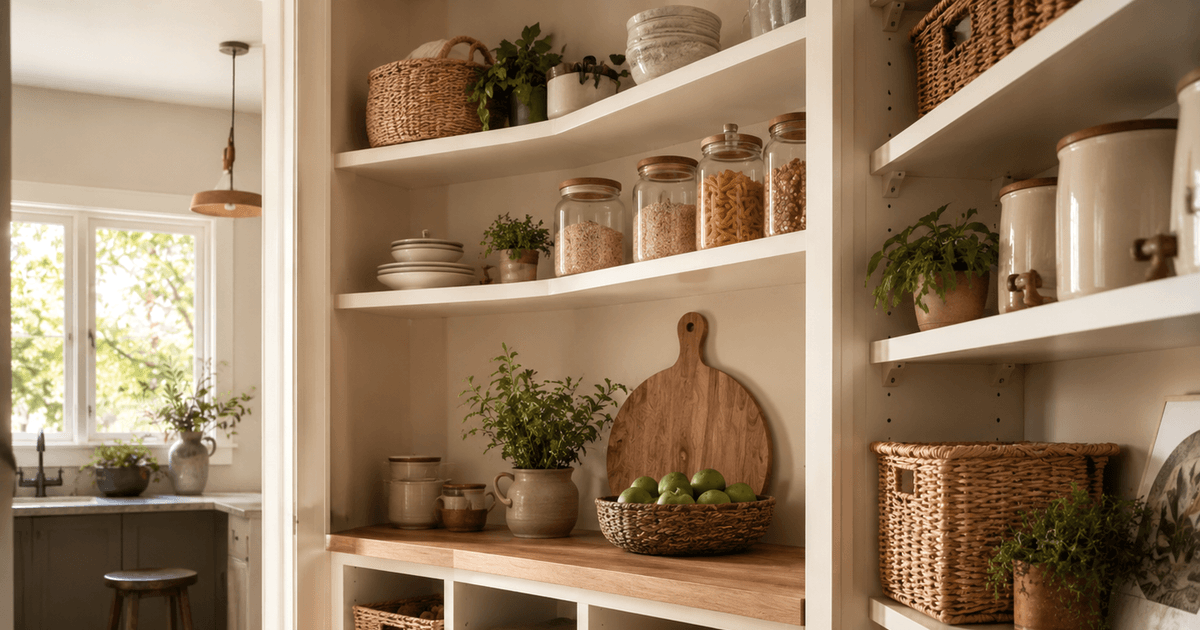
Floating Shelves represent the most straightforward option. These shelves appear to hover against the wall without visible brackets, creating a minimalist aesthetic while providing genuine storage capacity. Most floating shelves support between 25 and 50 pounds per shelf, making them ideal for books, decorative items, and lightweight collectibles.
Modular Panel Systems offer greater flexibility. These typically consist of interconnected panels with customizable slots, hooks, and accessories that you can arrange according to your preferences. They work exceptionally well in home offices, kitchens, and bedrooms where storage needs vary.
Track-Based Systems feature a horizontal rail mounted to the wall with hanging components that slide along the track. These systems excel in workshops, laundry rooms, and garages where you need quick access to multiple tools and supplies. The major advantage is reconfigurability--you can move hooks, shelves, and baskets along the track without additional wall holes.
Wall-Mounted Shelving Units are pre-assembled frameworks designed to hold multiple shelves. Unlike floating shelves, these show their support structure, creating a more utilitarian appearance that works well in garages, mudrooms, and utility areas.
Corner Storage Systems specifically address corner spaces, which often become wasted real estate in homes. These angled systems maximize awkward corners where standard shelving doesn't fit efficiently.
Evaluating Installation and Wall Type Considerations
Before selecting a wall-mounted storage system, honestly assess your wall type and mounting capabilities. This foundational step determines which systems are actually viable for your space.
Drywall Installation works with most systems, but requires finding studs for heavier items or using heavy-duty anchors for lighter loads. Drywall anchors vary in strength; toggle anchors and molly bolts typically handle 50-75 pounds, while standard plastic anchors manage only 15-25 pounds.
Concrete and Masonry Walls require masonry-rated anchors or fasteners specifically designed for hard surfaces. These walls actually offer superior holding capacity once properly secured, making them ideal for heavier storage systems.
Plaster Walls present unique challenges. Older plaster walls can be fragile, and drilling incorrectly can cause significant damage. If your home has plaster walls, consider systems with multiple small fastening points rather than concentrated weight on single anchors.
Tile Backsplashes in kitchens require special consideration. While you can mount lightweight shelves and organizers to tile using tile-specific anchors, heavier systems need to penetrate beyond the tile to the underlying wall structure.
Measure twice before mounting anything. Mark stud locations, use a level, and double-check that your wall can support the weight of the system plus the items you plan to store. Many storage failures result from inadequate mounting preparation, not system design flaws.
Top Wall-Mounted Storage Solutions for Different Spaces
Kitchen and Dining Areas
Kitchen walls represent premium real estate for vertical storage. Compare Options that combine elegance with functionality work beautifully above countertops for cookbooks, decorative dishes, and frequently used serving pieces.
For more comprehensive kitchen organization, consider wall-mounted magnetic strips for knives, adhesive spice racks, or hanging rails with hooks for frequently used utensils. These solutions keep essentials accessible while maintaining clear counter space for food preparation.
Corner kitchen areas benefit tremendously from specialized corner shelving systems. Many modern kitchens feature unused corner wall space above appliances or beside refrigerators--strategic corner shelving transforms these areas into valuable storage zones for small appliances, cookbooks, or decorative serving items.
Home Offices and Work Areas
Home office efficiency depends largely on smart vertical organization. Wall-mounted pegboards provide exceptional flexibility for office supplies, while modular panel systems with hooks, small shelves, and baskets create customizable command centers above desks.
Track-based systems excel in home offices where organization needs evolve. Mount a horizontal rail above your desk and add shelves, hooks, and hanging file organizers as needed. This adaptability means your storage system grows with your work requirements.
Wall-mounted filing systems keep important documents accessible without consuming floor space. These typically feature slots for folders or document holders, allowing you to organize papers vertically while maintaining visual access to labels and contents.
Garage and Workshop Storage
Garages demand heavy-duty storage systems capable of supporting tools, seasonal items, and equipment. Heavy-duty wall-mounted shelving units rated for 100+ pounds per shelf provide the strength necessary for these applications.
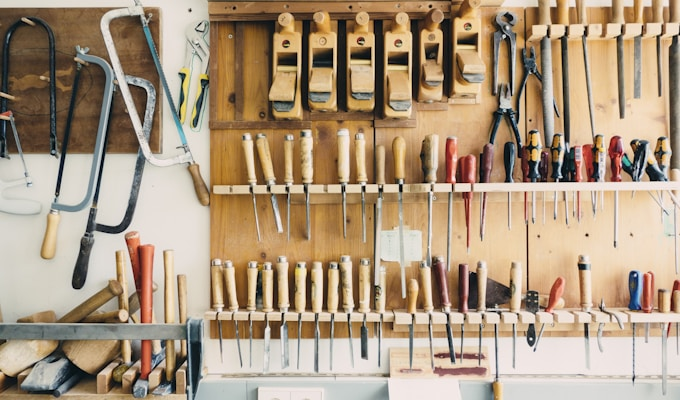
Wall-mounted tool organizers, often featuring pegboard construction with numerous hook options, keep hand tools organized and visible. Compare Options that range from simple pegboard kits to comprehensive modular systems. The best garage storage acknowledges that tools require frequent access and should be stored at eye level for efficiency.
For seasonal items like holiday decorations, camping equipment, or sports gear, overhead wall-mounted shelving works exceptionally well. These high-mounted shelves use space most people overlook while keeping seasonal items accessible during their relevant seasons.
Bedrooms and Personal Spaces
Bedroom storage systems balance aesthetics with functionality. Floating shelves work beautifully for displaying books, photos, and decorative items while supporting nighttime essentials. Some homeowners install narrow floating shelves beside beds as alternatives to traditional nightstands, freeing floor space in compact bedrooms.
Open wall-mounted closet systems supplement traditional closets by adding hanging space for frequently worn items or seasonal wardrobe pieces. These systems typically feature a horizontal rod mounted at shoulder height with hooks for scarves, belts, and accessories below.
Wall-mounted jewelry organizers, small shelving units for personal collections, and floating corner shelves help bedrooms function efficiently without requiring furniture that consumes floor space.
Bathrooms and Laundry Rooms
Bathrooms benefit from compact wall-mounted solutions that maximize vertical space. Shelf units above toilets provide storage for towels, toiletries, and personal care items. Many bathroom shelving systems feature three to four narrow shelves that fit within the typical bathroom space constraints.
Laundry rooms work well with wall-mounted sorting systems featuring multiple baskets or containers for separating whites, colors, and delicates. These systems keep cleaning supplies organized while creating clear categories for laundry processing.
Corner shelving in bathrooms addresses those awkward spaces beside doors or windows, transforming them into functional storage zones for bathroom essentials. Compare Options to see options ranging from simple metal racks to attractive wooden units.
Material Selection and Durability Factors
The materials used in wall-mounted storage systems directly impact longevity, appearance, and appropriate applications.
Wood Shelving offers warmth and aesthetic appeal, working well in living areas, bedrooms, and offices. Solid wood provides durability and can support significant weight, though it requires proper finishing to resist moisture. Engineered wood or MDF works well in dry environments but may sag or deteriorate if exposed to humidity.
Metal Storage Systems provide industrial durability and strength, ideal for garages, workshops, and utility areas. Powder-coated metal resists rust and corrosion while maintaining visual appeal. Steel systems typically support the heaviest loads, making them suitable for serious workshop organization.
Plastic and Resin Systems work well for lightweight applications and environments where moisture resistance matters. These materials resist mold and mildew, making them excellent choices for bathrooms, laundry rooms, and basements. However, plastic systems generally support less weight than metal or wood.
Composite Materials combine elements of different materials to balance durability, aesthetics, and cost. Many modern wall-mounted systems use composite construction to achieve multiple benefits simultaneously.
Installation Considerations and Safety Guidelines
Proper installation determines whether your wall-mounted storage system functions safely and performs as designed. Cutting corners during installation creates safety hazards and wastes your investment.
Begin with a detailed inspection of your chosen wall location. Identify stud locations using a stud finder, and plan to anchor into studs whenever possible, especially for systems that will hold heavy items. Studs provide maximum holding power and eliminate concerns about weight capacity.
Use appropriate fasteners for your wall type. Concrete requires masonry anchors and drill bits, drywall needs quality toggle bolts or molly bolts for off-stud mounting, and plaster demands careful drilling with appropriate anchors. Never compromise on fastener quality--the slight additional cost provides genuine safety benefits.
Level everything meticulously. Shelves that appear straight to the eye but aren't actually level create problems both functionally and aesthetically. Small items roll, visual misalignment becomes obvious over time, and the installation looks unprofessional.
Follow weight capacity recommendations absolutely. Manufacturers specify maximum load capacity for specific reasons. Exceeding these limits risks catastrophic failure and potential injury. This is one area where ambition must bow to reality.
Allow adequate time for installation. Rushing through wall preparation, drilling, and fastening increases error likelihood. Plan installation during periods when you're not stressed or hurried.
Common Mistakes to Avoid
Understanding common installation and selection mistakes helps you sidestep problems that plague careless storage system implementation.
Mounting Too High is surprisingly common. Shelves should place frequently accessed items at eye level or slightly below. Stretching or requiring step stools for regular access defeats the purpose of installing wall storage in the first place.
Overloading Shelves represents a safety and aesthetic failure. Even when shelves can theoretically support more weight, overcrowding creates a cluttered, oppressive appearance. Leave breathing room between items.
Ignoring Wall Studs for heavy systems causes failure. Taking time to locate studs and plan mounting into them prevents costly failures and potential injury.
Choosing Systems Inconsistent with Décor creates visual discord. A sleek, modern floating shelf system looks out of place in a rustic farmhouse, just as industrial steel shelving clashes with contemporary minimalist design. Consider your home's aesthetic genuinely.
Inadequate Planning before installation results in wrong dimensions, poor spacing, or incompatibility with existing décor. Measure multiple times, sketch arrangements, and verify dimensions before purchasing or drilling any holes.
Comparing Popular Wall-Mounted Storage Brands and Systems
The market offers numerous wall-mounted storage solutions at varying price points. Compare Options to compare popular options, including modular pegboard systems, metal shelving units, and floating shelf collections.
Modular pegboard systems offer exceptional value and flexibility, typically ranging from $30-100 depending on size and material. These systems work anywhere and accommodate endless customization options. The pegboard concept remains popular because it genuinely solves the fundamental organizational challenge--providing flexible, reconfigurable storage.
High-end floating shelf systems with premium wood and concealed mounting hardware range from $50-150 per shelf. These work well in visible areas where aesthetics matter significantly, such as living rooms and master bedrooms.
Heavy