A child's room is rarely tidy without a solid organizational strategy. Toys multiply quickly, and without proper kids room toy storage solutions, clutter takes over, making cleanup time a nightmare for both kids and parents. The challenge is finding storage that's accessible enough for children to use independently while being attractive enough to complement your home's décor. This comprehensive guide explores practical, creative, and effective ways to organize toys so that your child's room stays manageable and your sanity remains intact.
Why Proper Toy Storage Matters
Before diving into solutions, it's important to understand why investing time and resources into toy storage is worthwhile. When toys are organized and easy to access, children are more likely to put items away without constant reminders. This builds responsibility and self-sufficiency--key life skills that extend far beyond the playroom.
Additionally, proper toy storage reduces safety hazards. Toys scattered across floors create tripping risks, especially in rooms where younger siblings or pets might play. Organized storage also maximizes floor space, giving children room to actually play and move around freely. Perhaps most importantly, a well-organized toy room creates a calming environment that can improve focus and reduce stress for both children and parents.
Assess Your Current Situation
The first step toward implementing effective toy storage is understanding what you're actually working with. Take time to inventory your child's toys and categorize them by type: building blocks, action figures, board games, stuffed animals, dolls, art supplies, vehicles, and so on. This assessment reveals patterns in what your child plays with most and identifies items that haven't been touched in months--candidates for donation.
Consider your child's age and interests. A toddler needs storage that's safe and accessible at low heights, while a school-age child can manage higher shelves and more complex organization systems. A teen might prefer closed storage that conceals toys they're outgrowing. Understanding these developmental stages helps you choose storage solutions that actually work for your specific child rather than adopting a one-size-fits-all approach.
Also evaluate your room's dimensions, layout, and existing furniture. A small room needs vertical storage solutions and dual-purpose furniture, while a spacious room can accommodate multiple storage stations. Natural light, wall color, and existing décor should all factor into your choice of visible versus hidden storage.
Open Shelving and Cubbies
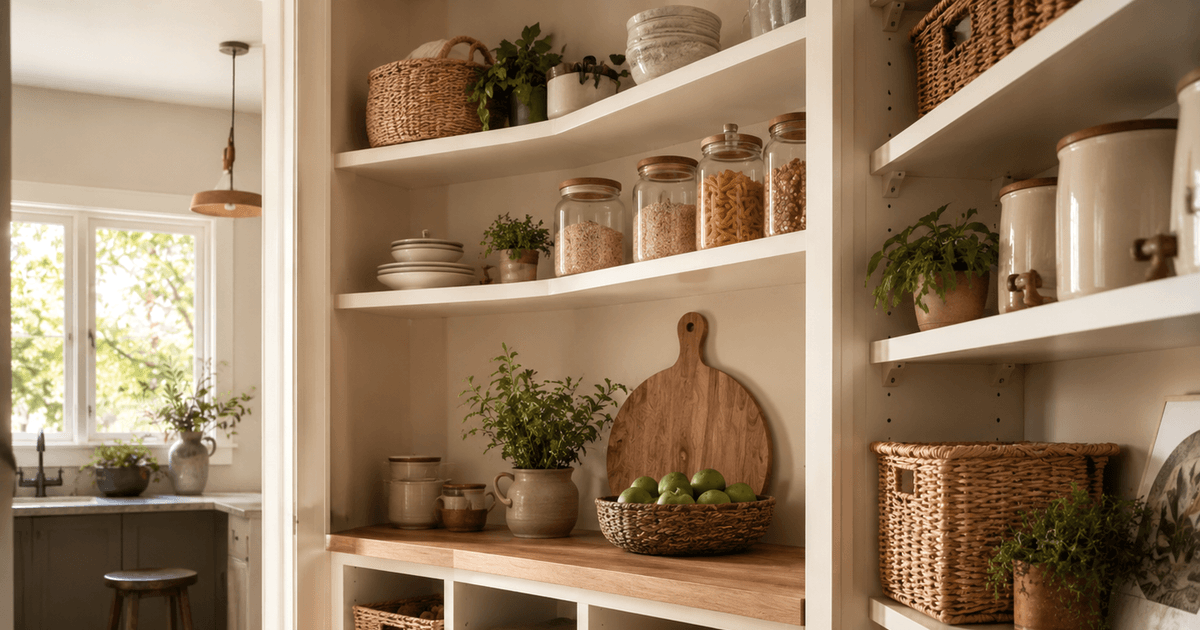
Open shelving is one of the most popular toy storage solutions because it's accessible, affordable, and visually manageable. Children can see what they have and grab what they want without hunting through closed containers. For younger kids, open shelving encourages independent play and reduces frustration when searching for specific toys.
Quality open shelving comes in numerous styles. Traditional wooden shelves mounted on walls work well for older children and look clean when toys are organized in matching bins or baskets. For toddlers, low-profile cube organizers are safer and more age-appropriate. These sturdy units feature multiple compartments, each perfect for housing a different toy category.
Compare Options to find options ranging from simple plastic designs to more stylish wooden versions. Many parents appreciate that these systems can grow with their children--start with a small unit and add more as needed.
The key to making open shelving work is consistent organization. Without a system, shelves quickly become cluttered dumping grounds. Establish zones for different toy types: action figures on one shelf, building toys on another, vehicles elsewhere. Use shelf dividers or small baskets to keep categories separated. This approach not only looks neat but also teaches children where things belong.
Bins and Baskets for Hidden Storage
When you want toys out of sight but still accessible, bins and baskets are your answer. Clear plastic bins let children see contents without opening the lid, while opaque containers hide clutter completely. Fabric baskets add softness to a room's aesthetic and are gentle on furniture.
The organization challenge with bins is preventing them from becoming mixed-bag dumping grounds where everything gets tossed together. Solve this by labeling each bin clearly--use picture labels for pre-readers and words for older children. Many parents find that three to five large categories work better than numerous small bins. Instead of separate containers for each toy type, group related items: "Building Toys," "Action Figures and Accessories," "Vehicles," "Dolls and Accessories," and "Toy Animals."
Compare Options to find options with colorful designs that appeal to children. Some bins come with matching labels, making setup simpler.
Under-bed storage is an often-overlooked goldmine for toy organization. Shallow bins fit perfectly under most beds and store seasonal toys, lesser-used games, or toys your child has outgrown but isn't ready to part with. This keeps them accessible without taking up prime shelf or floor space.
Closet organization also deserves attention. Install a lower closet rod so children can hang dress-up clothes and bags independently. Use hanging organizers with multiple compartments for smaller toys, craft supplies, or accessories. Shelving within closets maximizes vertical space without eating into the room's play area.
Rotating Toys Strategically
One often-overlooked toy storage strategy is rotation. Rather than keeping every toy accessible simultaneously, store some toys away and swap them seasonally or monthly. This approach dramatically reduces clutter while maintaining novelty--toys that have been stored away feel new again when reintroduced.
Rotation works particularly well for toys with many pieces, seasonal items, and toys your child has aged out of but might return to occasionally. Store rotated toys in clearly labeled bins in a garage, basement, or closet space outside the bedroom. Rotation also helps you identify which toys genuinely spark joy and engagement versus which ones are just taking up space.
Set a rotation schedule that works for your family. Some parents rotate monthly, others every season. The frequency depends on the number of toys and available storage space. Involving your child in the process teaches them to reflect on what they enjoy, making them more intentional consumers.
Specialized Storage Solutions
Different toys require different storage approaches. Here are solutions for common categories:
Building Toys: LEGO and similar construction toys need accessible organization. Clear stackable bins let children see available pieces, while small drawer organizers keep tiny parts from mixing. Consider a dedicated LEGO table with built-in storage drawers--the investment pays off in reduced floor clutter.
Board Games and Puzzles: Stack games on shelves, but remove bulky boxes and store games in clear containers with printed labels showing box artwork. This saves space and makes selection easier. Store puzzle pieces in gallon-size ziplock bags inside a larger bin, with the puzzle image printed and taped to the bag.
Stuffed Animals: A hanging net corner storage solution keeps plush toys off the floor while displaying them attractively. Alternatively, use a large mesh bean bag chair that holds dozens of stuffed animals while doubling as seating for reading or relaxing.
Compare Options to find various styles and sizes that fit your room's dimensions and aesthetic.
Art Supplies and Craft Materials: Rolling carts with multiple drawers keep supplies accessible and mobile. These carts fit in closets when not in use or can be rolled out for craft projects. Label each drawer clearly so children know where markers, colored pencils, paper, and other supplies belong.
Multi-Functional Furniture
When space is limited, furniture that serves multiple purposes maximizes functionality. Ottomans with hidden storage hold toys while providing seating or a footrest. Beds with built-in drawers underneath offer substantial storage without consuming floor area. Some bookshelves include closed cabinets at the bottom and open shelves at the top, combining the accessibility of open storage with the concealment of closed options.
Window seats often include hinged bench tops that open to reveal storage cavities perfect for seasonal toys or lesser-used items. Even simple wooden chests or trunks add character to a room while providing substantial toy storage.
The investment in multi-functional furniture pays dividends, especially in smaller rooms. These pieces work harder than standard furniture, freeing up space for play while keeping storage abundant.
Making Cleanup Easy and Appealing
Even the most beautiful toy storage system fails if children don't use it. Make cleanup appealing by ensuring it's genuinely easy. This means:
Accessibility: Storage should be low enough and light enough that children can move items independently. Heavy containers or high shelves create barriers to cleaning up.
Clear Expectations: Label everything with words and pictures. Children can't put toys away properly if they don't know where things belong.
Adequate Capacity: Overstuffed storage makes cleanup impossible. Ensure bins and shelves have room for toys without forcing kids to jam items in.
Positive Reinforcement: Celebrate cleanup efforts without making them feel like punishment. Use music, timers, or games to make tidying fun.
Regular Purging: Set a quarterly "toy audit" where you and your child review what's being played with and what should be donated. This reduces overall volume and makes organization feel sustainable.
Compare Options that make cleanup feel like less of a chore through appealing design.
Budget-Friendly Organization Strategies
Effective toy storage doesn't require expensive solutions. Dollar stores, home improvement retailers, and thrift shops offer affordable bins, baskets, and organizers. Cardboard boxes decorated with contact paper become personalized storage containers. Clear plastic shoe boxes work wonderfully for organizing small toys and accessories.
Parents often find success with combination approaches: invest in one high-quality shelving unit and supplement with budget-friendly baskets and bins. This balanced strategy provides lasting infrastructure while keeping overall costs reasonable.
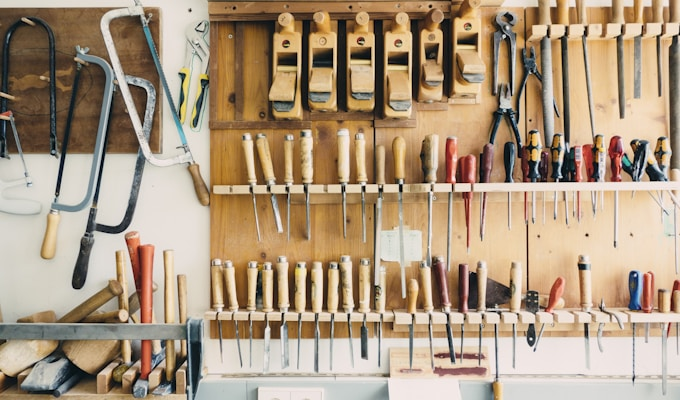
DIY solutions like pegboards with hooks for hanging toys or shelves made from reclaimed wood add personality while controlling expenses. Pinterest and home organization blogs offer countless creative ideas for transforming affordable materials into functional storage.
Conclusion
Kids room toy storage solutions don't have to be complicated or expensive. The most effective approach combines accessibility for your child, realistic organization categories, and furniture that fits your space and budget. Start by assessing what you have, categorizing toys by type and frequency of use, then selecting storage solutions that match your child's age and your room's dimensions.
Whether you choose open shelving, bins and baskets, rotating systems, or multi-functional furniture, the key is creating a setup your child will actually maintain. Storage that's visible, clearly labeled, and easy to use will earn you independent cleanup efforts and a room that's genuinely functional rather than just organized temporarily. As your child grows and interests change, your storage system can evolve too--that's the beauty of strategic toy organization. With the right approach to toy storage, both you and your child will enjoy a more peaceful, playable room that grows with them through the years.