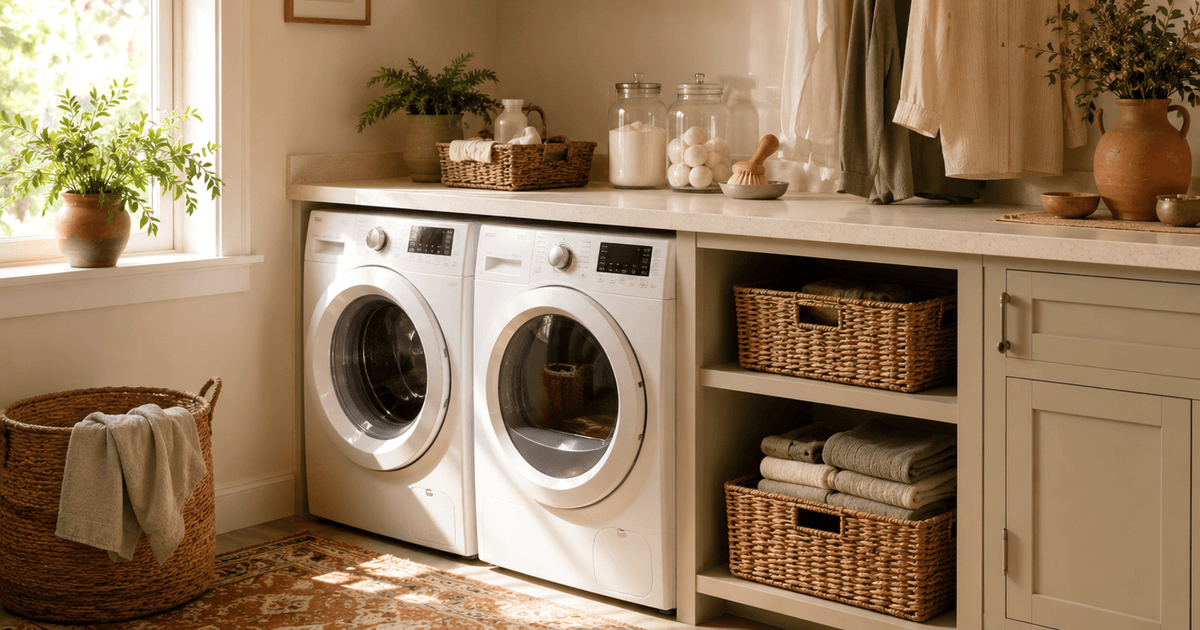
A well-organized linen closet transforms daily routines. Instead of digging through crumpled sheets to find a matching pillowcase, you'll reach for exactly what you need in seconds. Yet most linen closets start as chaotic catch-alls where bedding, towels, and miscellaneous items pile haphazardly on shelves. The good news is that linen closet organization doesn't require expensive systems or dramatic renovation--just a strategic, step-by-step approach.
This guide walks you through proven methods for organizing your linen closet from start to finish. Whether your closet is a small alcove or a dedicated room, these principles will help you create a functional, maintainable system that actually works for your household.
Step 1: Empty Your Linen Closet Completely
Before organizing, you need a clear picture of what you're working with. Remove everything from your linen closet shelves and lay items on your bed or a clean surface where you can see them all at once.
This complete purge serves multiple purposes. It lets you assess the actual dimensions of your closet shelves, identify damaged items, and see the true inventory of what you own. Many people discover they have more sets of sheets than they realized, or find expired products they'd forgotten about.
As you pull items out, wipe down the closet shelves and walls with a damp cloth. Remove dust, cobwebs, and any debris that accumulated during regular use. If you notice water stains, odors, or pest damage, address these issues before reorganizing. A clean foundation makes your new system more effective and pleasant to use.
Step 2: Sort and Categorize Everything
Group items into clear categories. Standard linen closet contents include:
Bed linens: sheets, pillowcases, fitted sheets, flat sheets, duvet covers Bath linens: bath towels, hand towels, washcloths, bath mats Specialty items: tablecloths, napkins, beach towels, decorative linens Other: blankets, throws, pillows, mattress protectors
As you categorize, create a separate pile for items to discard. This includes damaged linens with permanent stains, holes, or worn elastic; mismatched pieces with no matching partner; and items you haven't used in two years. Being ruthless at this stage dramatically improves your final result.
Count the complete sets you have. A "complete set" typically means one fitted sheet, one flat sheet, and two pillowcases. Knowing your actual inventory prevents over-buying and helps you plan storage efficiently.
Step 3: Declutter Strategically
This step determines whether your organizational system will work long-term. Keep only what you actually use and what serves your household's genuine needs.
For bed linens, most experts recommend keeping three to four complete sets per bed. This allows one set on the bed, one in the wash, and one to two clean sets in rotation. Keeping six or seven sets of sheets "just in case" creates excess clutter.
For towels, assess your household size and laundering frequency. If you wash towels weekly, three sets per person usually suffices. If you prefer more towels on hand, four sets per person is reasonable. If you have towels you actively dislike using, remove them. You'll be more likely to maintain your system if everything feels nice.
Evaluate specialty items with the same honesty. That formal tablecloth you never use because your table is covered with kids' homework doesn't belong in a limited closet space. Those "good" guest towels sitting unused for three years? They're taking up real estate.
Step 4: Choose Your Organizational Method
Several proven methods work well for linen closets. Choose one based on your space and preferences.
The shelving method is most common. Items are folded neatly and stacked on shelves by category. This works particularly well for people with multiple shelves and sufficient vertical space. You can see everything at a glance and access items easily.
The roll method is excellent for tight spaces. Instead of stacking flat, you roll sheets and towels into tight cylinders. This method uses vertical space efficiently and makes items less likely to tumble over. It also works well if you have narrow shelves or limited depth.
The container method uses bins, boxes, or baskets to corral items by bedroom, bathroom, or category. This works best if you have awkward shelf shapes or if you want to hide the contents. Labeling becomes especially important with this method.
Combination approaches blend these methods. For example, you might fold sheets and stack them on shelves while rolling towels into a basket. There's no single "right" way--the best system is one you'll maintain.
Step 5: Maximize Your Shelf Space
Before replacing items, optimize the physical space. This might mean adding additional shelves, installing shelf dividers, or rearranging existing shelves.
Assess your shelf heights. Some shelves might be spaced too far apart, wasting vertical space. Others might be too close together for your needs. If shelves are adjustable, reconfigure them to match your actual items. For instance, you might need more room for a stack of bath towels but less room for flat linens.
Shelf risers or stackable organizers can double usable space by creating second levels. These work well for less-frequently accessed items or lightweight materials.
Dividers--whether purchased or made from cardboard--prevent stacks from toppling and help maintain organization. They're particularly useful on open shelves or in cabinets without doors.
Step 6: Fold and Arrange Items Strategically
Proper folding preserves space and organization. For sheets, create a consistent folding method. One effective approach: fold the fitted sheet first (fold in half lengthwise, tuck corners, then fold into a rectangle), then fold the flat sheet and pillowcases the same size, and stack them together as a unit. This keeps complete sets together visually.
For towels, fold lengthwise into thirds, then fold into thirds again, creating a compact rectangle. Consistency matters--uniform folds stack neatly and look organized.
Arrange items strategically by frequency of use. Keep everyday linens at eye level and within easy reach. Guest linens, seasonal items, and rarely-used pieces can go higher or lower. Items used by multiple people (like bath towels) should be accessible to everyone, perhaps placed in the middle shelves.
Within each category, arrange by color or size for visual organization. This makes selecting linens faster and more intuitive.
Step 7: Label Everything Clearly
Labeling prevents chaos within weeks of organizing. Labels serve multiple purposes: they remind everyone what belongs in each section, help people return items to the right spot, and make inventory obvious.
Create labels for each shelf section or container. Labels should be specific: "Master Bedroom Sheets," "Guest Bath Towels," "Seasonal Blankets." Avoid vague labels like "Bedding" that don't clearly identify contents.
Use durable label makers or permanent markers on adhesive labels. Hand-written labels in matching handwriting look neater than random markers. Consider color-coding labels by bedroom or bathroom for quick identification.
For the fitted sheet puzzle that frustrates many people, consider labeling the storage spot clearly. Even better, include a small guide showing how the fitted sheet goes in the bed, so family members can identify which corner is which.
Step 8: Establish a Maintenance System
Organization only works if you maintain it. Establish clear habits that keep your linen closet functional.
Create a washing routine. When sheets come off the bed, wash them immediately rather than letting them pile. When clean, fold them while warm (linens wrinkle less) and return them to their designated spot immediately. If you wait until you have a basket of clean linens, re-folding and reorganizing becomes a large project.
Implement a rule that everyone who uses the closet returns items to the correct location. This requires clear labeling and perhaps training family members on how to fold or arrange items consistently.
Evaluate your system quarterly. After about three months, assess what's working and what isn't. If towels keep sliding over, you need dividers. If you never use certain linens, remove them. If you constantly run out of bath towels, adjust your quantities.
Step 9: Plan for Seasonal Changes
Many households have seasonal linen needs. Heavy blankets, winter duvet covers, and summer-weight sheets require different storage strategies throughout the year.
Store seasonal items separately from daily-use linens. A high shelf works well for winter blankets you won't need until fall. A labeled bin clearly marked "Winter Linens" prevents confusion.
Rotate seasonal items in and out of your main closet rather than crowding everything together. When seasons change, remove winter linens completely and store them elsewhere until needed again.
This rotation approach keeps your linen closet from becoming a dumping ground and ensures you can always find what you need for the current season.
Troubleshooting Common Linen Closet Challenges
Fitted sheets driving you crazy? Roll them individually or fold them with one designated corner always on top. Label the storage area with a reference guide.
Not enough space? Declutter more aggressively, use the roll method instead of folding, add shelves, or store off-season items elsewhere.
Items always getting wrinkled or dusty? Use a linen spray in the closet occasionally. Consider adding a cedar block or sachet for freshness. Use airtight containers for long-term storage of unused sets.
Family members not maintaining the system? Simplify your system further. The fewer decisions people need to make, the more likely they'll maintain it. Consider color-coding or using bigger, more obvious category labels.
Conclusion: Sustaining Your Organized Linen Closet
Linen closet organization step by step creates lasting order out of chaos. By completely emptying your closet, thoughtfully decluttering, choosing an appropriate system, and implementing labels and maintenance habits, you establish a functional space that serves your household reliably.
The most successful linen closets are those that match how your family actually lives. If you have young children, keep accessible towels at their level. If you change sheets weekly, keep four complete sets readily available. If you rarely use guest linens, store them higher up.
Remember that your system doesn't need to look perfect in magazine photos--it needs to work for you. The true measure of success is when you can find what you need in seconds, when family members understand where things belong, and when you can close your closet door knowing everything inside is organized and accessible.
Start today with the complete empty-and-assess step. From there, follow these steps systematically. Within a few hours, your linen closet can transform from frustrating chaos into a model of organization that makes daily life genuinely easier.