We research, compare, and evaluate every product we recommend, and only describe a pick as directly tested when that is specifically documented. As an Amazon Associate I earn from qualifying purchases. When you buy through our links we may earn a commission -- at no extra cost to you. Prices and availability verified June 15, 2026. Full disclosure.
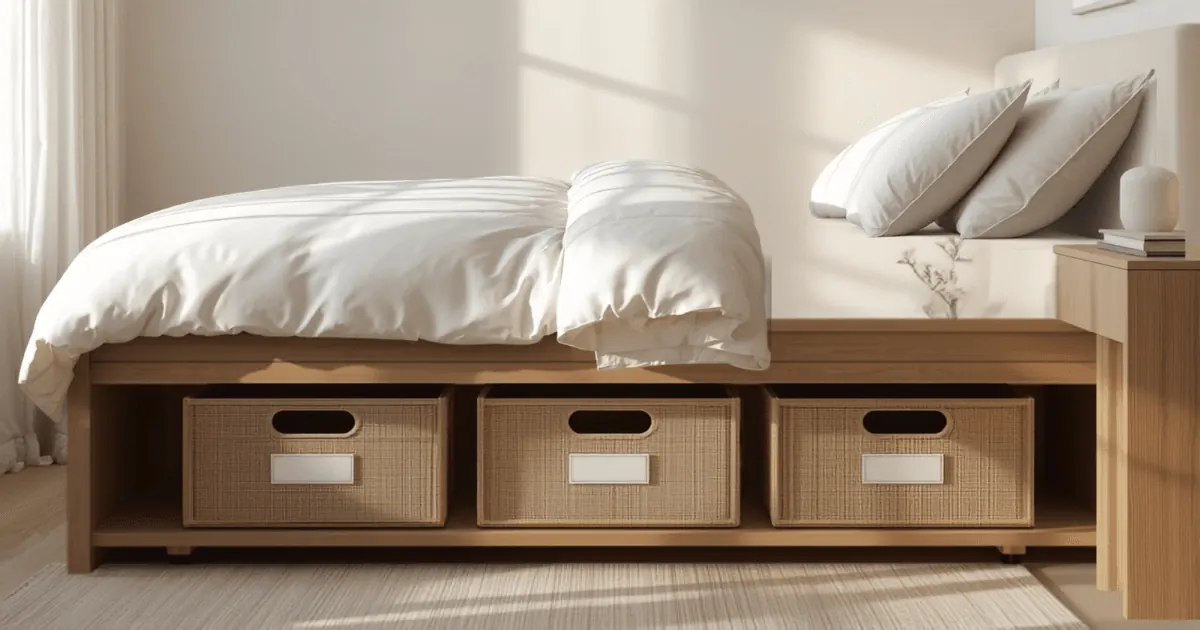
The space beneath your bed is one of the most underutilized storage zones in your home. Whether you're working with a small bedroom, a packed closet, or simply need to organize seasonal items, under-bed storage offers a practical, out-of-sight solution that maximizes your available square footage. The challenge isn't whether to use that space--it's choosing the right storage system that balances accessibility, durability, and functionality for your specific needs.
This guide walks you through everything you need to know about selecting, organizing, and maintaining under-bed storage solutions. We'll explore the different types available, help you assess your needs, and recommend products that deliver real value for various storage scenarios.
Why Under-Bed Storage Matters
Under-bed storage is more than a convenience--it's a strategic component of any organized home. A typical bed sits 10 to 12 inches off the ground, creating roughly 24 to 30 cubic feet of accessible storage space in many bedrooms. That's equivalent to the interior volume of a large closet shelf.
This space is ideal for items you don't need daily but can't permanently discard: seasonal clothing, extra bedding, holiday decorations, shoes, or archived documents. By moving these items under the bed, you free up closet shelves, dresser drawers, and closet rods for everyday essentials. This workflow dramatically improves bedroom functionality and makes your space feel larger and less cluttered.
The psychological benefit matters too. Hidden storage reduces visual clutter--a scientifically proven stress reducer--while keeping your items accessible and protected from dust and light exposure.
Types of Under-Bed Storage Solutions
Plastic Storage Containers and Bins
Plastic containers remain the most popular under-bed storage choice, and for good reason. They're affordable, stackable, and available in dozens of sizes and configurations. Clear plastic containers allow you to see contents at a glance without opening them, while opaque options protect light-sensitive items.
Look for containers with sturdy handles and secure lids that create a tight seal. Compare Options to compare options ranging from budget-friendly basic totes to premium heavy-duty containers with wheels.
The main advantage of plastic containers is their versatility--they work under any bed height and are easy to slide in and out. The trade-off is that lower-quality plastics can become brittle over time, and many options lack wheels, making them harder to access once loaded with heavy items.
Rolling Under-Bed Drawers
Rolling drawers combine the convenience of easy access with excellent organization. These shallow, wheeled units slide smoothly under the bed on ball-bearing wheels and are particularly effective for shoes, linens, and clothing items you want to rotate seasonally.
Look for units with smooth-gliding wheels, depth measurements that fit your bed clearance, and dividers that prevent items from shifting. Compare Options to find models with weight capacities matching your needs--quality options support 30 to 50 pounds per drawer.
Rolling drawers work best in bedrooms with solid flooring (hardwood or tile). Carpeted floors can create friction that makes wheels stick, though high-quality sealed bearings handle this better than budget options.
Fabric Soft-Storage Solutions
Fabric storage boxes and organizers offer a softer aesthetic than plastic while maintaining functionality. Many are collapsible, making them ideal for temporary storage or situations where you might need to clear the space quickly.
These solutions work well in stylish bedrooms where you might occasionally see under-bed storage--such as platform beds with visible sides or low-profile frames with large gaps. Compare Options to find units in colors and patterns that coordinate with your bedroom décor.
The limitation of fabric solutions is durability. Quality matters significantly here; cheaper versions deteriorate after a few years of use, and they don't protect as effectively against dust and pests as sealed plastic containers.
Vacuum-Sealed Storage Bags
For seasonal clothing and bulky items like comforters and pillows, vacuum-sealed bags reduce volume by up to 80 percent. This approach lets you store more items in less space, making it particularly valuable in small bedrooms.
The trade-off is accessibility and reusability. Once you vacuum-seal items, you can't quickly access them without a vacuum, and repeated sealing and unsealing can degrade the bags' effectiveness. Reserve this solution for true seasonal storage--items you won't need for months at a time.
Assessing Your Under-Bed Space
Before purchasing storage solutions, measure carefully. You need three key measurements:
Height clearance: Measure from the floor to the underside of your bed frame using a tape measure. Account for any dust ruffle or bed skirt that might hang down. Typical clearances range from 6 to 12 inches.
Length and width: Measure the dimensions of your bed footprint. Storage solutions should be slightly smaller than these measurements to slide in and out easily--aim for about 1 inch smaller on each dimension.
Weight capacity: Consider what you'll store. Seasonal clothing weighs less than shoes or books. If you're stacking multiple containers, ensure your bed frame can handle the additional weight without sagging. Most quality bed frames support 50 to 100 additional pounds without issue.
Organizing Items Under the Bed
Strategic organization makes under-bed storage actually useful rather than a black hole of forgotten items.
Label everything clearly: Use adhesive labels or a permanent marker on containers. Include the contents and the season or year if applicable. This is especially important for opaque containers.
Group by category: Store similar items together--all seasonal clothing in one area, all shoes in another, holiday decorations grouped separately. This makes inventory management easy and prevents duplicate purchases.
Use dividers and smaller organizers: For rolling drawers or large containers, use smaller boxes or dividers to prevent items from shifting and to create distinct zones within the storage space.
Keep a running inventory: Maintain a list of what's stored and where. Digital spreadsheets work well and are searchable when you're trying to locate specific items.
Rotate seasonally: Set reminders to swap seasonal items. Spring cleaning is an ideal time to reassess what's stored and whether items are still needed.
Best Practices for Under-Bed Storage Success
Choose the Right Container Type for Your Situation
If you frequently access stored items, wheeled drawers or low-profile containers with handles are better than vacuum bags. If items stay put for months, vacuum-sealed bags save significant space. Most people benefit from a combination approach: rolling drawers for seasonal clothing, plastic containers for less-frequently accessed items.
Protect Against Dust and Moisture
Use containers with secure lids, not open shelves or baskets. Under-bed spaces naturally accumulate dust, and sealed containers are your first defense. Consider adding moisture-absorbing packets (like silica gel desiccants) in humid climates to prevent mold and mildew.
For added protection, lay breathable fabric or plastic sheeting under the bed before placing containers, especially if your floor isn't finished or if you've had moisture issues in the past.
Don't Overload the Bed Frame
While bed frames are engineered for your body weight plus some additional pressure, excessive under-bed storage can cause sagging or damage over time. Distribute weight evenly and avoid storing extremely heavy items like boxes of books unless your frame explicitly supports it.
Maintain Air Circulation
Avoid completely sealing the entire under-bed space. Leave small gaps for air circulation, especially if storing natural fabrics that can develop odors in completely stagnant air.
Common Under-Bed Storage Mistakes
Buying containers before measuring: This leads to purchases that don't fit. Always measure first.
Choosing storage based on price alone: Budget containers often crack or deteriorate within a year. Mid-range options balance affordability with durability.
Overstuffing containers: Containers that are bursting at the seams are hard to slide in and out and make items prone to damage. Fill them only to 80 percent capacity.
Storing items you've truly outgrown: Under-bed storage is for items in circulation, not a permanent retirement home for things you don't use. Donate or sell items you haven't accessed in two years.
Forgetting what's stored: Without labeling and inventory, under-bed storage becomes invisible. You'll duplicate purchases or forget items exist. Consistent labeling solves this problem entirely.
Specialized Under-Bed Storage Scenarios
For shoes: Rolling drawers with divided compartments or clear over-the-door organizers placed vertically in storage boxes work excellently. They keep shoes organized, visible, and protected.
For seasonal clothing: Vacuum-sealed bags provide maximum space efficiency, but Compare Options work better if you access items frequently throughout the season.
For bedding: Store extra sets in dedicated plastic containers, grouped by size (queen, full, twin). Label them clearly so you grab the right size during sheet changes.
For holiday decorations: Use sturdy plastic containers with dividers or specialty ornament storage boxes that prevent fragile items from breaking. Label by holiday and year for easy identification.
For medications and small items: Small organizer boxes with multiple compartments prevent tiny items from getting lost and make inventory checks straightforward.
Conclusion: Choosing Your Best Under-Bed Storage Solution
Under-bed storage solutions offer practical, affordable ways to maximize bedroom space while keeping your room organized and clutter-free. The best option depends on your specific needs: how often you access stored items, the types of things you're storing, your budget, and your bedroom's aesthetic.
For most people, a combination approach works best. Use wheeled storage drawers for items accessed seasonally, clear plastic containers for archived documents or seasonal decorations you need to see quickly, and vacuum-sealed bags for bulky off-season clothing. Always measure before purchasing, label containers clearly, and maintain a simple inventory system.
The time you invest in choosing the right under-bed storage solutions pays dividends every time you reach for a stored item or appreciate your clutter-free bedroom. Start with measurements, select solutions that match your specific use case, and organize strategically. Your bedroom--and your peace of mind--will thank you.