We research, compare, and evaluate every product we recommend, and only describe a pick as directly tested when that is specifically documented. As an Amazon Associate I earn from qualifying purchases. When you buy through our links we may earn a commission -- at no extra cost to you. Full disclosure.
Sharing a bedroom isn't easy--especially when two or more children have different ages, interests, and sleep schedules. A shared kids bedroom requires thoughtful planning, smart storage solutions, and clear boundaries to keep the peace. The good news is that with the right organizational system, a shared room can become a functional, harmonious space where siblings can coexist comfortably and even thrive together.
This guide walks you through proven strategies for organizing a shared kids bedroom, from storage solutions and furniture placement to creating personal zones and maintaining order over time.
Assess Your Space and Create Zones
Before you buy anything or move furniture around, take time to understand your bedroom dimensions and natural traffic patterns. Measure the room length and width, note where windows and doors are located, and identify which walls receive the most light throughout the day.
Creating separate zones for each child is the foundation of a well-organized shared bedroom. Even in a small space, you can establish distinct areas by using furniture placement, room dividers, or visual cues like rugs or paint colors. Each child needs a sense of personal territory--a place that feels like theirs, even if it's just a corner.
One proven approach is to position beds on opposite walls or use bunk beds with a small table or cubby system between them. This arrangement provides natural separation while maximizing floor space for play and movement. If the room is particularly tight, consider loft beds that create usable storage or workspace underneath.
Lighting matters too. Individual reading lights or desk lamps above each child's zone reinforce the sense of personal space and improve functionality when bedtime routines differ.
Implement Strategic Storage Solutions
Storage is the linchpin of sibling bedroom organization. Without it, toys, clothes, and schoolwork pile up and create conflict over whose belongings are where.
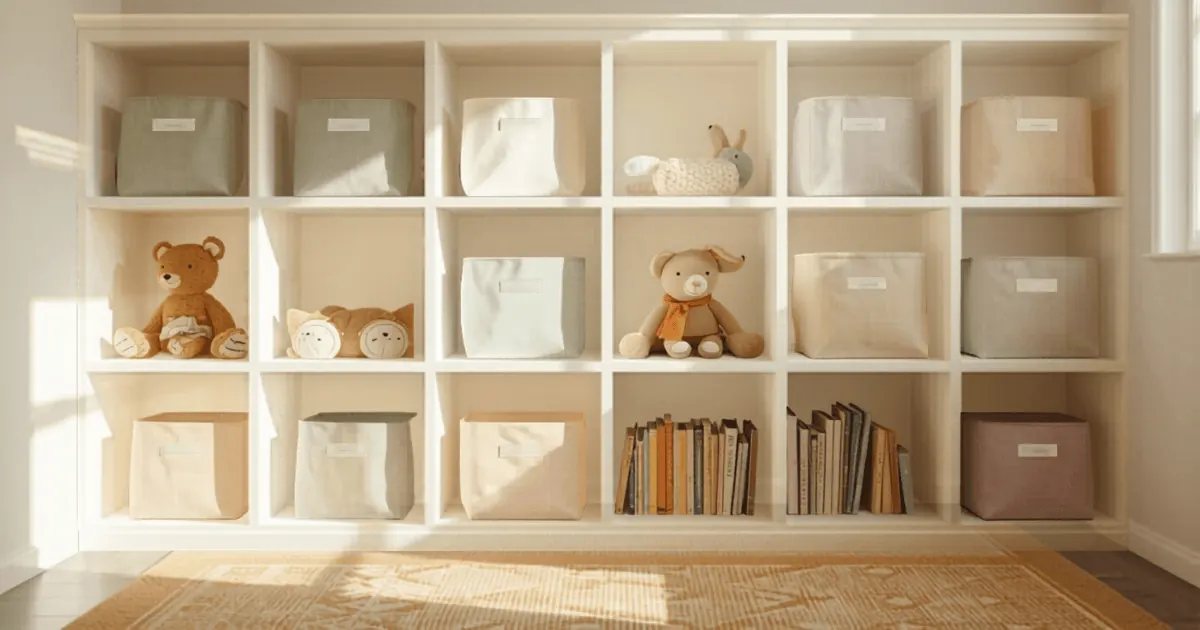
Vertical storage is your best friend in a shared room. Wall-mounted shelving, pegboards, and tall bookcases keep items off the floor and make the room feel larger. Assign each child one or more shelves for their books, trophies, or display items. This creates accountability and ownership.
Labeled bins and crates can clarify ownership. Use different colors for each child, or apply labels with names and category icons. Measure the shelf, drawer, or under-bed opening before selecting any container.
Under-bed storage is often overlooked but invaluable. Flat plastic containers or drawers that slide beneath beds are ideal for off-season clothing, extra bedding, or less frequently used toys. This hidden storage keeps the room visually uncluttered while freeing up floor space.
Closet organization must account for two children's wardrobes. Install a double hanging rod (one high, one low) to maximize vertical space, or use shelf dividers to clearly separate each child's folded clothing. Consider a tiered hanging system if both children are tall enough to share one rod.
Choose Furniture That Grows With Your Kids
In a shared bedroom, furniture decisions carry extra weight because changes affect two children simultaneously. Invest in pieces that are durable, adaptable, and age-appropriate--but not so trendy that they'll need replacing in two years.
Bunk beds are space-efficient and popular for siblings, but they're not right for every situation. If one child is significantly older or if one has mobility challenges, bunk beds may create feelings of inequality or safety concerns. Standard twin beds on opposite walls can be just as space-saving with better accessibility.
Modular furniture and cube storage systems can adapt as children's needs change. Compare the exact unit dimensions with the room and anchor furniture according to the manufacturer's instructions, especially in a child's bedroom.
Dressers with drawers help contain clothing chaos. If space allows, one dresser per child prevents disputes over ownership. If sharing one dresser, use dividers or assign specific drawers to each sibling--top drawers for one child, bottom for the other.
Desks and workspace matter increasingly as children reach school age. If both need homework space, a long desk shared along one wall, or two small individual desks in separate corners, supports independence while respecting limited square footage.
Define Personal vs. Shared Items
Clear rules about what belongs to whom reduce tension and make cleanup faster. Create categories:
Personal items (each child has their own): toothbrush, pillow, favorite stuffed animal, personal journal, special collections.
Shared items (belong to both): bedroom furniture, light fixtures, the television or gaming console (if in the room), cleaning supplies.
Rotating items (each child gets a turn): if there's only one desk or one beanbag chair, establish a schedule for who uses it when.
Write these rules down or create a visual chart and post it in the room. This removes ambiguity and gives you a clear reference point when conflicts arise.
Create a Cleaning and Maintenance System
An organized bedroom stays organized only when children know their responsibilities. Establish age-appropriate cleaning expectations:
For younger children (5--8 years): daily toy pickup into labeled bins, putting dirty clothes in a hamper, making the bed with reminders.
For older children (9+ years): weekly deep tidy, laundry contribution, vacuuming their zone, keeping desk clear.
Use a chore chart with stickers or a reward system to reinforce habits. The goal isn't perfection--it's teaching accountability and respect for shared space.
Designate a "donation station"--a bag or box where outgrown toys and clothes go monthly. This prevents clutter accumulation and teaches children about letting go of items they've outgrown.
Manage Different Sleep Schedules and Routines
If one child needs to sleep while the other is awake, your organization strategy must support this reality.
Blackout curtains help a child sleep while a sibling reads or studies. Thick, lined curtains also improve privacy perception.
Quiet storage solutions matter when movement happens at different times. Use soft-close drawers and hinged bin lids instead of slamming plastic containers.
Separate lighting zones let each child control their corner independently. Wall sconces or clip-on lamps are quieter and less disruptive than overhead lights.
Sound management can include soft rugs (which dampen noise), padded headboards, or even a small white-noise machine if noise sensitivity is an issue.
Add Personal Touches Without Chaos
Each child should feel their space is theirs, but too much personalization can overwhelm a small room visually. Balance individuality with cohesion:
- Let each child pick one color to accent their zone (one corner is navy, the other is sage green).
- Establish a "display limit"--each child gets a bulletin board or small shelf for posters, artwork, and photos.
- Use removable wall decals or fabric wall hangings so customization doesn't damage paint when styles change.
- Rotate artwork and collections seasonally to keep the room fresh without requiring major changes.
This approach respects each child's developing identity while maintaining visual calm and manageable organization.
Use Technology and Labels Wisely
Simple labeling prevents the "I didn't know which bin was mine" excuse. Print or write clear labels on every storage container, drawer, and shelf. Use icons alongside words to help younger, non-reading children navigate.
Consider a shared digital calendar or checklist app if children are old enough to check phones or tablets. This reduces nagging and builds independence.
However, avoid over-reliance on technology. Physical labels and color-coding are often more effective in kids' spaces, especially for younger children.
Adapt as Children Grow
A shared bedroom organization system isn't static. As children age, their needs shift. A toddler's toy-heavy room becomes a tween's homework-and-hobby space. Schedule quarterly reviews of your system--every season or every 3 months--to assess what's working and what needs adjusting.
Ask your children directly what's frustrating them. Maybe one child wants a desk but another wants a fort-building zone. Maybe they've outgrown bunk beds and want individual sleeping spaces. Listening to your kids' input builds buy-in and ensures the room truly serves them.
Final Thoughts on Organizing a Shared Kids Bedroom for Siblings
Organizing a shared kids bedroom for siblings requires patience, planning, and a willingness to adapt. Start by assessing your space, creating distinct zones, and investing in quality storage solutions that match your room's dimensions and your family's lifestyle. Clear rules about personal and shared items, combined with age-appropriate cleaning routines, keep the system running smoothly over time.
The most successful shared bedrooms balance structure with flexibility, personal identity with shared harmony. When siblings can navigate their bedroom without constant conflict, they build valuable skills in compromise, organization, and respect for shared space--lessons that extend far beyond their childhood bedroom.
Use the strategies in this guide as a starting framework, but customize them for your unique family, ages, and space. With intentional organization and regular maintenance, a shared kids bedroom becomes a place where both siblings can sleep, learn, play, and grow comfortably together.