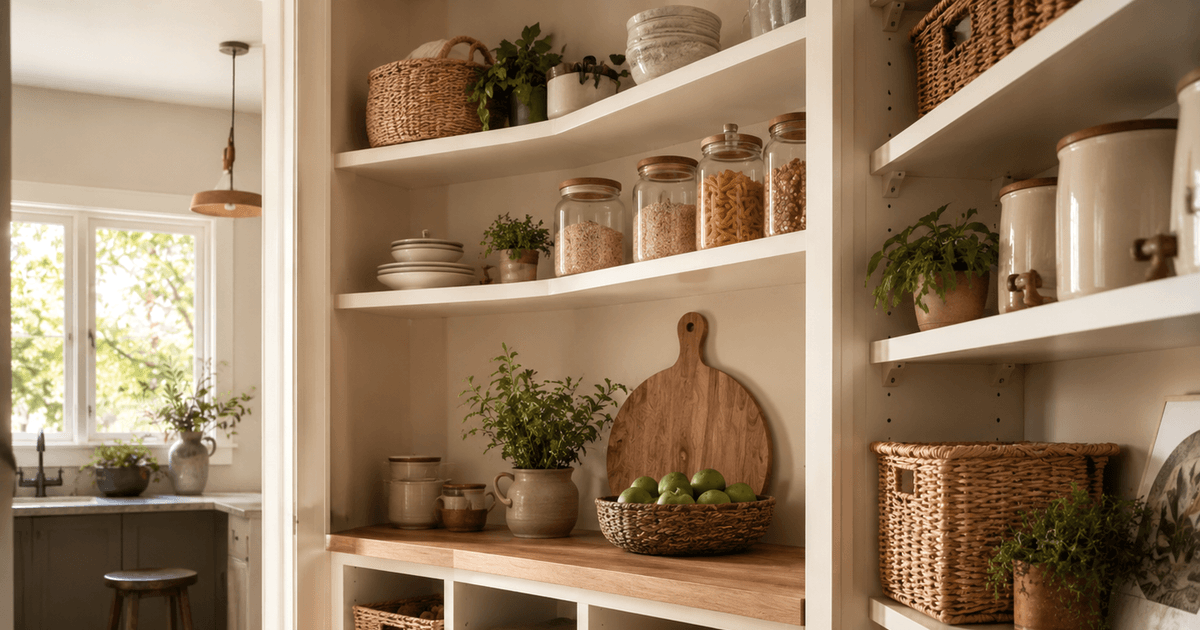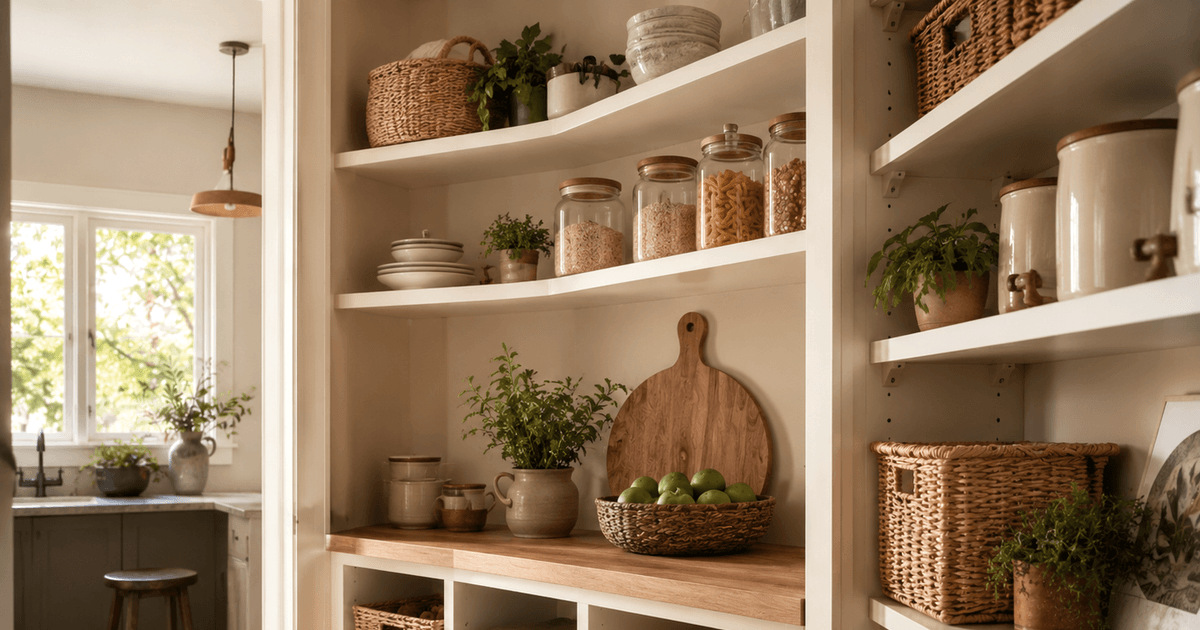
A disorganized pantry is a source of constant frustration. You can't find what you need, you buy duplicates of items you already have, and food spoils before you use it. The solution isn't buying more containers--it's implementing a pantry organization system that actually works and that you can maintain over time.
The best pantry organization systems balance functionality with simplicity. They account for how you shop, cook, and move through your kitchen. This guide walks you through proven approaches to organizing your pantry, so you can create a system that fits your lifestyle and stays organized long-term.
Why Standard Pantry Organization Advice Fails
Before diving into solutions, it's worth understanding why many people struggle to keep their pantries organized. Most pantry tips focus heavily on containers, labels, and aesthetic appeal--but these elements alone don't create lasting order.
A pantry stays organized when the system matches your actual behavior. If you don't naturally stack containers neatly, a system built on perfect stacking won't work. If you buy in bulk from warehouse clubs, a system designed for small quantities will fail. If you cook spontaneously, a system requiring precise meal planning won't stick.
The most effective pantry organization systems are based on these principles: visibility, accessibility, honest inventory awareness, and sustainable maintenance. You need to see what you have, access it easily when cooking, know what's running low, and be able to maintain the system without excessive effort.
Assess Your Pantry Space and Habits First
Any effective organization system starts with honest assessment. Before implementing changes, spend a few days observing your pantry patterns.
Evaluate your physical space. How many shelves do you have? What are the dimensions? Do you have deep shelves where items get lost in the back? Are there awkward corners? Do you have high shelves that are hard to reach? Understanding your constraints shapes what system will actually work.
Analyze your shopping patterns. Do you shop weekly or monthly? Do you buy from regular grocery stores, warehouse clubs, or specialty stores? Do you buy in bulk for specific items? Your shopping frequency and volume affect how much storage you need and how you should organize it.
Track what you actually cook. Look at meals you've made in the past month. What ingredients do you use regularly? What do you buy but rarely use? This identifies your core pantry items versus occasional purchases.
Observe your current behavior. Where do you naturally place items when unloading groceries? What do you reach for first when cooking? Where do items end up getting lost? Your natural patterns reveal what system design will feel intuitive.
The Zone-Based Organization System
One of the most effective pantry organization approaches divides your pantry into functional zones. This system works because it mirrors how you think when cooking and shopping.
The Baking Zone keeps all baking ingredients together: flour, sugar, baking powder, baking soda, vanilla extract, chocolate chips, nuts, and spices used primarily for baking. Grouping these together means you grab one section rather than hunting throughout the pantry when a recipe calls for several items. Store heavier items like flour on lower shelves and lighter items like extracts higher up for safety and accessibility.
The Breakfast Zone organizes cereal, oats, pancake mix, syrup, and breakfast staples together. This zone typically works best at eye level since it's accessed frequently and multiple household members may navigate it independently.
The Cooking Staples Zone contains items you use during meal preparation: oils, vinegars, canned goods used in regular recipes, pasta, rice, and broth. This zone benefits from being near your cooking area or at convenient reach while you're at the stove.
The Snack Zone groups crackers, chips, granola bars, nuts, and other snack foods. Some households prefer keeping this less visible or at upper shelves to naturally moderate snacking, while families with children might place it at accessible heights.
The Beverage and Condiment Zone stores coffee, tea, drinking options, and bottles of condiments not kept in the refrigerator. These often do well on a specific shelf or in a cabinet section.
The Overflow and Backup Zone holds duplicate items, bulk purchases, and seasonal cooking ingredients. This typically uses harder-to-reach spaces since you don't access these items as frequently.
This zoning system works because it reduces decision-making. When you're cooking, you know exactly where to look. When you're putting groceries away, items have logical homes.
Visibility Through Strategic Shelving Choices
Items you can't see effectively disappear from your awareness. This leads to buying duplicates and unused food waste.
Use clear, uniform containers for dry goods like flour, sugar, pasta, and cereal. You need to see inside instantly, without lifting or opening containers. Uniform containers make the shelf look orderly and make it easier to see at a glance when items are running low.
Keep frequently used items at eye level. This isn't just about convenience--it's about maintaining the system. Items at eye level stay visible and get used before expiration. Items on high or low shelves tend to be forgotten.
Avoid deep shelves without organization. If you have shelves deeper than 12-14 inches, items in the back become invisible. Use shelf dividers, tiered shelf risers, or pull-out drawer organizers to bring back items forward and visible.
Label everything consistently. Labels create accountability. When items are labeled, people are more likely to return them to the correct spot and notice when quantities run low. Use consistent label placement (top front or top center) so your eye knows where to look.
Maintain some empty space. A pantry packed to maximum capacity is harder to maintain. You need room to grab items and put them back easily. Aim for 80-85% full as a sustainable capacity.
The Rotation System for Food Safety
Proper rotation prevents waste and ensures you use older items before newer ones. The First-In-First-Out (FIFO) system is standard in commercial kitchens for good reason--it works.
Write dates on items when you bring them home. Use the purchase date or write the expiration date prominently on the front. This takes 10 seconds per item and eliminates guessing about shelf life.
Place newer items behind older items. When restocking, position new purchases behind what's already there. This requires intentional effort, but it prevents the common problem of discovering expired items in the back.
Check expiration dates monthly. Set a calendar reminder for the first of each month to check your pantry. Remove expired items and consolidate partially used containers of the same ingredient.
Keep a running inventory list. Some people maintain this digitally on their phone, others on paper. As items run low, add them to the list. This serves two purposes: you never run out of essentials, and you catch duplicates before buying.
Container Selection That Supports the System
Containers work best when they're selected thoughtfully, not purchased randomly.
Choose containers that fit your shelves. Measure your shelf width and depth before buying containers. Containers that don't fit your space create frustration and won't be used consistently.
Select containers with secure lids. Containers that don't seal properly fail at their primary job: keeping food fresh and preventing pantry pests. Lids should close firmly without excessive effort.
Use transparent containers whenever possible. Even slightly translucent containers are better than opaque ones because you can see contents without opening. This is essential for maintaining awareness of inventory.
Consider height variability. Having containers in different heights (tall narrow containers for pasta, short wide containers for cereal) creates visual interest and efficient space use. Everything doesn't need to be the same size.
Match container size to typical usage. Large containers work for items you use frequently and in large quantities. Small containers work for specialty ingredients or items you use occasionally. Oversized containers for small quantities make inventory checking harder.
Labeling Strategies That Actually Work
Labels seem simple, but poorly implemented labeling systems create more problems than they solve.
Use a consistent labeling system. Whether you use a label maker, hand-written labels, or printed labels, keep them uniform in appearance and placement. Inconsistency creates a chaotic appearance that undermines the whole system.
Include quantity on labels. Don't just label "flour"--label "All-Purpose Flour" or even better "AP Flour (5 lb bag)." This helps you know at a glance if you need to restock.
Make labels visible without opening containers. Place labels on the front top corner or front center of containers, not on lids or backs. If you can't read the label without moving the container, it won't support the system.
Consider color-coding. Some households use colored dots or labels to indicate categories (green for baking, blue for breakfast, etc.). Color-coding adds another layer of quick visual recognition.
Update labels when consolidating. If you combine two partially-used containers, update the label. Outdated labels create confusion and undermine confidence in the system.
Maintenance: The Most Important Factor
A beautifully organized pantry degrades without maintenance. The best system is one you can actually maintain.
Build in regular tidying time. Even 10 minutes weekly makes a difference. This involves returning items to their zones, checking that items are properly stored, and catching spills or leaks.
Schedule a quarterly deep clean. Every three months, pull everything out of one zone, wipe shelves, and reorganize as needed. This prevents the gradual creep of disorder that happens otherwise.
Establish a restocking routine. After grocery shopping, put items away immediately according to zones. Don't leave bags sitting--this is when things end up in wrong places.
Involve household members. If you live with others, the pantry stays organized longer when everyone understands the system. Clearly explaining zones and why items go specific places increases buy-in.
Accept imperfection. A pantry that's 90% organized but actually maintained is better than a perfect pantry that reverts to chaos within weeks. Build systems you can realistically sustain.
Common Pantry Organization Mistakes to Avoid
Understanding what doesn't work helps you avoid wasting effort and money.
Storing rarely-used items in prime real estate. Specialty ingredients you use once a year shouldn't take premium shelf space. Relegate these to hard-to-reach areas.
Purchasing containers before organizing. The reverse order--organize first, then buy containers--prevents buying unnecessary containers and ensures proper sizing.
Ignoring the back of the shelf. Deep shelves with items hidden in back are worse than having fewer shelves. Use pull-out organizers or tiered shelves instead.
Over-categorizing. You don't need separate zones for every category if you don't have the space. Combining related categories works better than forcing an elaborate system.
Creating systems too complex to explain. If you can't explain your system to someone else in under two minutes, it's too complicated for long-term maintenance.
Conclusion: Building Your Custom Pantry Organization System
Pantry organization systems that actually work share common elements: they reflect your real patterns, they prioritize visibility, they minimize decision-making, and they're sustainable to maintain. A successful pantry organization system isn't about aesthetic perfection--it's about practical function that reduces stress and waste in your daily cooking.
Start by assessing your space and habits honestly, then implement zone-based organization with strategic container and labeling choices. Build in regular maintenance as part of your kitchen routine. The specific implementation will be unique to your household, your space, and your cooking style. The best system is the one you'll actually use consistently, that keeps your most-used items visible and accessible, and that requires reasonable effort to maintain.
With a thoughtful organization system in place, your pantry becomes a functional tool that supports efficient cooking and shopping rather than a source of daily frustration. You'll spend less time searching for ingredients, reduce food waste, and make better purchasing decisions--all because your pantry is organized in a way that actually works for how you live.