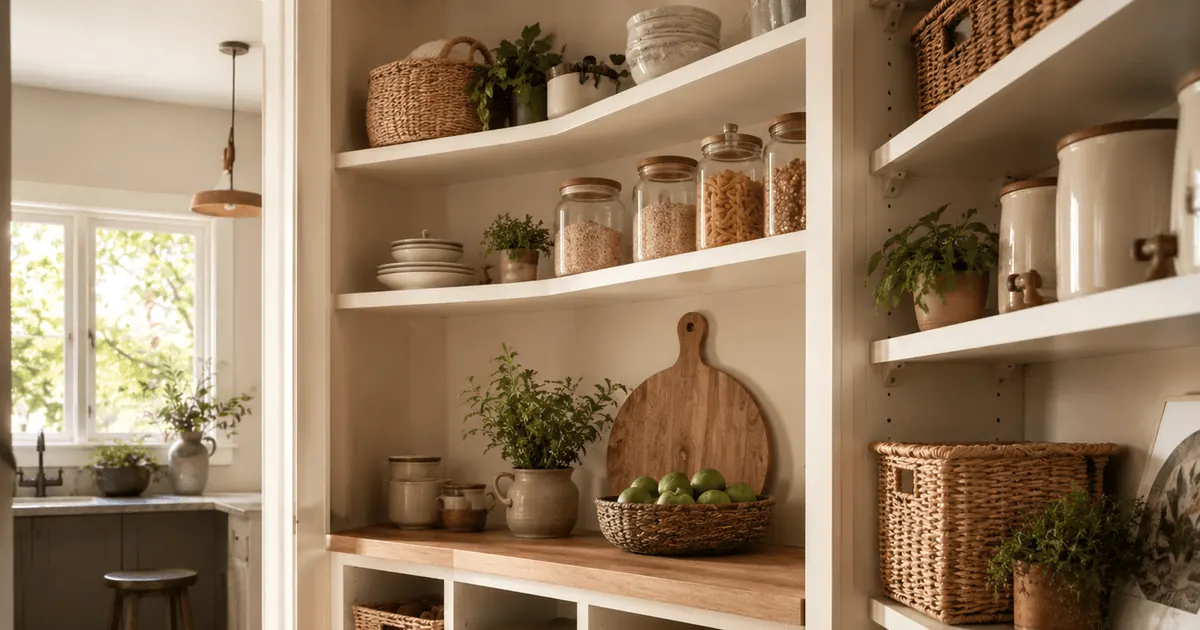
A well-organized pantry transforms your entire kitchen experience. When you can see what you have, find items quickly, and maintain order effortlessly, meal planning becomes simpler, grocery shopping more efficient, and food waste dramatically decreases. Yet many people struggle with pantry organization, cycling through systems that work for a few weeks before collapsing into chaos.
The difference between pantry organization systems that last and those that fail usually comes down to one critical factor: realistic implementation. The best pantry organization system isn't the most complex or aesthetically perfect--it's the one that aligns with how you actually shop, cook, and live. This comprehensive guide explores proven pantry organization approaches, the principles behind why they work, and how to implement a system that will genuinely stick.
Why Traditional Pantry Organization Often Fails
Before diving into effective systems, it's worth understanding why so many people abandon their pantry organization efforts. Most failures follow a predictable pattern:
Overcomplicated systems require too much decision-making. When you need to decide which category a food item belongs to, whether it's "snacks" or "grab-and-go," or consider whether something should be in the pantry versus another cabinet, the system becomes exhausting. Successful pantry organization systems minimize daily decision fatigue.
Lack of visibility creates blind spots. If you can't easily see what you have, you'll forget items exist, leading to duplicate purchases and wasted food. Systems that hide ingredients in opaque containers or crowded shelves naturally fail over time because they don't support your actual usage patterns.
Insufficient flexibility makes systems rigid. Life changes--family sizes shift, dietary preferences evolve, cooking habits adapt. A system that can't accommodate these changes will eventually feel wrong, leading people to abandon it entirely.
Unrealistic maintenance expectations doom systems from the start. If your organization system requires 30 minutes of tidying weekly or elaborate labeling protocols, most busy households won't sustain it long-term.
Understanding these failure points helps explain why certain pantry organization approaches consistently outperform others.
The Zone-Based Organization System
One of the most reliable pantry organization systems divides your pantry into functional zones based on how you actually use items. Rather than organizing by food category alone, zone-based organization considers frequency of use, cooking workflows, and household behavior patterns.
The Daily Use Zone contains frequently accessed items: your go-to cereals, coffee, tea, snacks you eat regularly, and cooking staples you use several times weekly. This zone should be positioned at eye level and front-of-pantry for maximum accessibility. When items are easy to reach and visible, people naturally return them to their proper places, maintaining organization without conscious effort.
The Cooking Zone groups ingredients you use during meal preparation: oils, vinegars, spices, baking essentials, pasta, rice, and canned goods you cook with regularly. Positioning this zone near your main cooking area--ideally in a pantry adjacent to your stove--creates logical workflow. You spend less time gathering ingredients, making cooking more efficient.
The Backup Stock Zone stores duplicates and bulk items you're working through. This might include extra pasta boxes, additional canned goods, or backup cleaning supplies. Positioning backups toward the rear or upper shelves reduces visual clutter in primary zones while keeping replacements accessible when main items run out.
The Occasional Use Zone holds specialty ingredients, seasonal items, and foods you use less frequently. Baking chocolate, specialized spices, holiday-themed items, and dietary-specific products belong here. Being slightly less accessible is acceptable for items you use quarterly or less often.
The Snack Zone (if you have children or frequent snackers) designates a specific area where grab-and-go items live. This simple containment strategy prevents snacks from colonizing your entire pantry and makes it easier for family members to see available options without raiding multiple shelves.
The beauty of zone-based organization is that it works with human nature rather than against it. Items that should be easy to access are easy to access. Items you reach for constantly stay visible and accessible.
The Container Visibility System
Many people underestimate how dramatically containers affect pantry organization success. Transparent containers allow you to see contents at a glance, eliminating the need to open multiple boxes searching for something. This visibility extends the life of your system considerably because it enables quick location of items and clear views of inventory levels.
Implementing container visibility means choosing clear, airtight containers for your most-used dry goods: flour, sugar, cereal, pasta, rice, baking powder, and frequently used snacks. Clear containers serve multiple purposes simultaneously: they preserve food freshness through air-tight sealing, create visual inventory systems so you know when items are running low, and make pantries feel more organized and intentional.
Sizing matters significantly. Containers that are too large waste space and make partial-full containers look messy. Containers that are too small require constant refilling. Measuring the actual quantities you use of each item helps determine appropriate container sizes.
Labeling transparent containers becomes less critical since you can see contents, but dating items--especially baking staples that have limited shelf lives--remains worthwhile. A simple "opened: March 2024" notation helps prevent using expired ingredients.
Stackability extends the system's efficiency. Containers that stack neatly maximize vertical space and create visual order without requiring additional organizational infrastructure.
The container visibility system works beautifully in combination with zone-based organization: clear containers in your daily use zone provide instant information about what you have and when you're running low, reducing impulse purchases and duplicate buying.
The Tiered Shelf Strategy
How you use your vertical pantry space dramatically affects organization sustainability. The tiered shelf strategy positions items based on accessibility and visibility, creating systems that work with your natural reaching patterns.
Eye level (approximately 48-66 inches from floor) is premium real estate. This zone should contain your most frequently used items: daily cereals, coffee, cooking staples, and frequently used canned goods. Items at eye level require no awkward reaching, are impossible to forget about, and create a sense of organization visitors notice immediately.
Upper shelves (66+ inches) work well for backup stock, specialty items, and foods you use occasionally. Upper shelves are harder to access, so they should contain items you don't need regularly. The slight inconvenience actually helps maintain organization--people naturally don't make unnecessary trips up the step stool, so items stay in place.
Lower shelves (below 36 inches) suit heavier items, bulk stock, and pantry supplies you access less frequently. Small children in the household might access lower shelves more readily, making lower zones good for child-friendly snacks and foods kids can retrieve independently.
Shelf dividers and risers enhance the tiered approach by creating visual compartments and increasing usable surface area. Risers elevate containers, creating extra shelf space underneath while improving item visibility. Simple metal or plastic shelf dividers prevent items from toppling and create psychological boundaries that encourage orderly placement.
This vertical strategy acknowledges that pantry accessibility isn't just about what's inside your pantry--it's about how easily you can actually reach and use items on a daily basis.
The Rotation System for Pantry Longevity
Keeping foods fresh and preventing waste requires systematic rotation. The FIFO method--First In, First Out--ensures older products get used before newer ones, reducing spoilage and waste.
Implementing FIFO doesn't require complicated systems. It simply means:
When adding new items, placing them behind or under existing stock of the same product. This naturally brings forward older items for use first.
Regularly checking expiration dates during your zone-based organization system maintenance. When you discover items approaching expiration, move them to a visible spot with a note ("use this week") to ensure consumption before waste.
Taking inventory quarterly, noting which items you purchased but never used. This information helps refine future shopping lists and prevents repeat purchases of underutilized foods.
Dating products when opened, especially for pantry staples like flour and baking supplies that have limited shelf lives after opening. A simple marker note prevents accidentally using expired ingredients.
The rotation system works because it's passive--organized around natural pantry access rather than requiring special effort. As you reach for items and replenish stock, rotation happens automatically with minimal additional work.
The Category Containment Method
This approach groups similar items in designated containers or zones, creating clear visual categories throughout your pantry. Rather than spreading pasta boxes across multiple shelves, all pasta lives in one container or on one dedicated shelf section.
Practical categories for most households include:
- Dry grains and pasta
- Canned vegetables and fruits
- Canned proteins (beans, fish, chicken)
- Oils and vinegars
- Spices and seasonings
- Baking supplies
- Breakfast foods
- Snacks
- International or specialty foods
Grouping similar items creates several advantages. You can quickly assess inventory levels--if your pasta container looks half-empty, you need more. Shopping becomes more efficient; you know exactly where to look for replenishments. Family members understand where to find items and where to return them after use.
The key is choosing categories that reflect your actual cooking patterns. If you rarely use international foods, don't create a large international section; a single small container for occasional specialty items serves better. If you bake frequently, your baking supplies merit a substantial dedicated zone with everything easily accessible.
The Products These Systems Actually Need
Each system above depends on a small number of physical pieces. Buying the wrong size is what makes most pantry overhauls collapse within a month, so match these to your shelf depth before ordering.
For the container visibility system: Check Price in a single shape are what make a shelf readable at a glance; mixed shapes waste the gaps between them. Add Compare Options so a container can change contents without becoming a mystery.
For the tiered shelf strategy: Compare Options recover the dead vertical air above short items, and Compare Options make the back row visible -- which is the entire point of the rotation system.
For category containment: Compare Options let a whole category slide out as one unit. For deep shelves where the back is unreachable, Compare Options convert depth from a liability into usable space.
Maintaining Your Pantry Organization System
The most important principle in pantry organization is that maintenance must be simpler than the initial setup. Systems that require extensive work to maintain will inevitably collapse.
Monthly touch-ups rather than seasonal overhauls keep systems functioning. Spending 10-15 minutes monthly checking expiration dates, reorganizing containers that shifted, and ensuring items are in correct zones prevents the chaos that creates motivation to rebuild the entire system.
Returning items immediately after use maintains zone organization. When someone uses an item, they return it to its designated zone. This immediate replacement habit prevents gradual drift that eventually requires complete reorganization.
Quarterly inventory checks help refine your system based on actual usage patterns. If you find items consistently pushed to the back unused, remove them from your regular shopping list. If certain zones always feel crowded, consider expanding them or redistributing items to other areas.
Accepting seasonal adjustments keeps systems relevant. Your pantry will naturally shift with seasons--more grilling supplies in summer, more baking supplies during holiday season. Rather than fighting these changes, design flexibility into your system to accommodate them without requiring complete restructuring.
Pantry Organization Systems That Work: The Common Thread
Examining what makes pantry organization systems actually work reveals a consistent pattern: successful systems align organization with actual usage patterns, maintain visibility of inventory, position frequently used items accessibly, and require minimal ongoing maintenance.
The most effective pantry organization approach combines elements from multiple systems: zone-based positioning for accessibility, container visibility for inventory awareness, tiered shelf strategies for functionality, rotation systems for food safety, and category containment for logical grouping.
Your specific pantry organization system should reflect your household's actual cooking patterns, family size, dietary preferences, and how you prefer to shop. A system that works perfectly for a family that meal-plans and cooks daily might feel constraining for a household that eats mostly prepared foods. Conversely, an elaborate system for someone who rarely cooks won't serve a family that prepares multiple meals daily.
Conclusion: Building Your Sustainable Pantry Organization System
Pantry organization systems that actually work share fundamental characteristics: they're based on realistic assessment of how you genuinely use your kitchen, they maintain visibility of inventory, they position items according to accessibility needs, and they require sustainable maintenance. Rather than implementing the most complex system you can find, focus on creating a pantry organization approach that feels intuitive and manageable for your specific household.
Start by implementing the zone-based system aligned with your actual cooking patterns, add container visibility for your most frequently used items, and arrange shelves using tiered positioning. Maintain your system through quick monthly check-ups and immediate item replacement. As you live with your pantry organization system, adjust categories and positions based on what you discover about your actual usage patterns.
The goal isn't perfection or magazine-worthy aesthetics--it's functional organization that makes cooking easier, prevents waste, and feels sustainable long-term. When pantry organization actually serves your needs rather than adding burden, you'll naturally maintain it, creating the lasting results that make these systems genuinely worth implementing.